Trappers Lake & Arthur Carhart
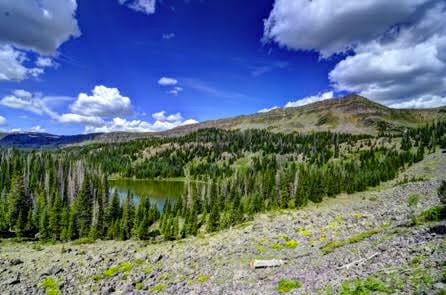
The National Park Service was created in 1916, and the Forest Service, concerned about losing acreage to national parks, sought to develop recreation areas. In 1919 the U.S. Forest Service hired Arthur Carhart as its first full-time landscape architect. One of Carhart’s first assignments was to survey a road around Trappers Lake in the White River National Forest in Colorado, and to plot several home sites on the lake shore. Carhart visited Trappers Lake, but one evening after Pennsylvania fishermen admonished him to leave the lake alone, he walked back to his campsite and had an epiphany. Prior to that time no U.S. Forest Service official had conceived of leaving land in its natural state.1 This was a bold suggestion for such a young employee, but in 1920 Trappers Lake was designated as an area to be kept roadless and undeveloped – it remains so to this day. Trappers Lake is now known as the cradle of the American wilderness- land without roads or development . In the fall of 1919 when Carhart shared his thoughts with the regional forester in Denver. Another young forester sat in on that meeting. Aldo Leopold would take Carhart’s idea and implement it in southwest New Mexico, creating the Gila Wilderness in 1924, the first such wilderness in the world.
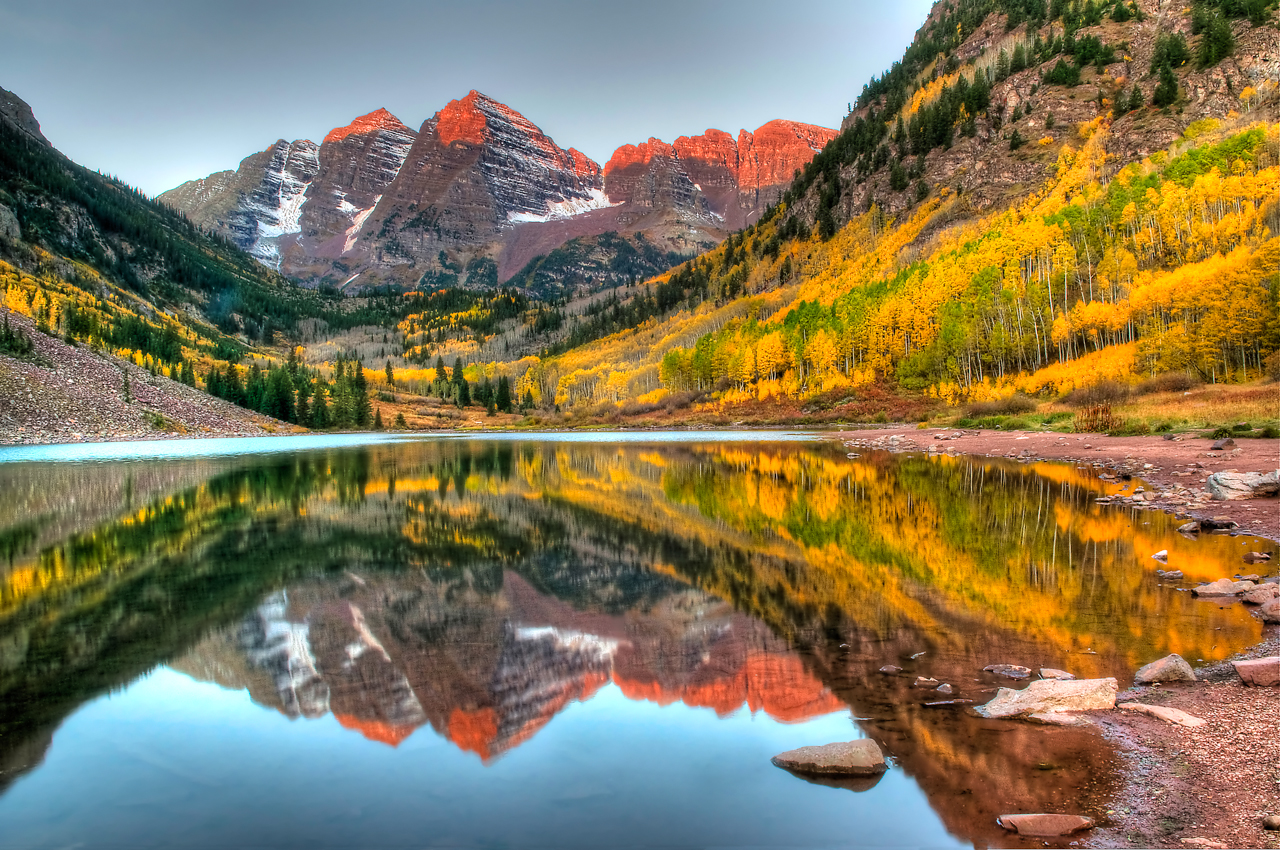
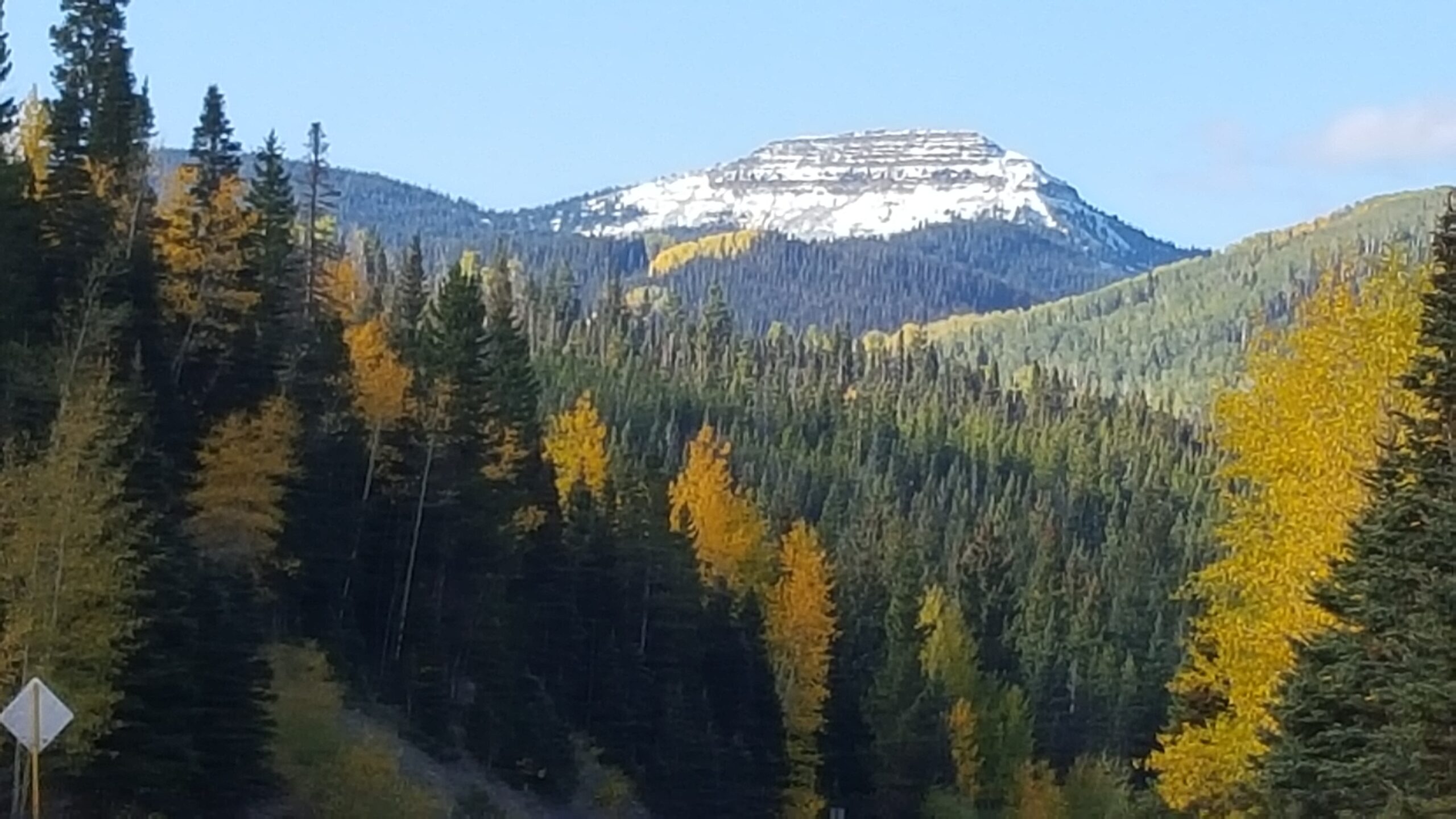
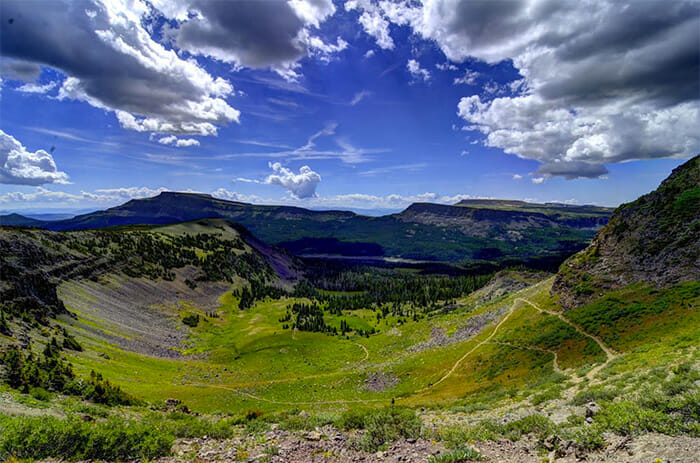
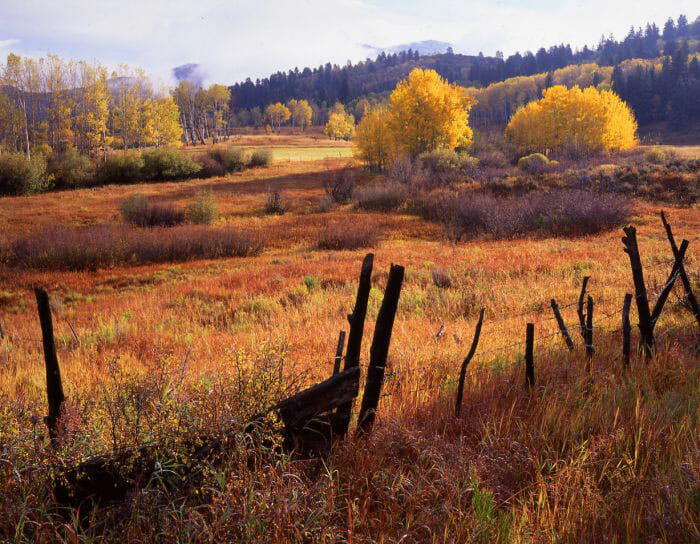
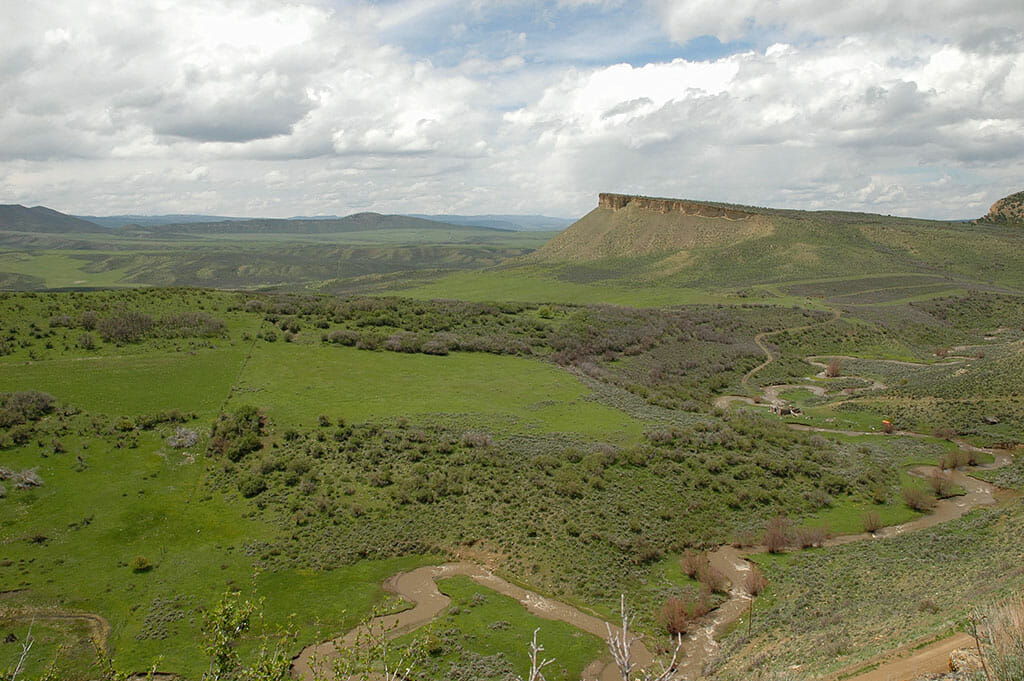
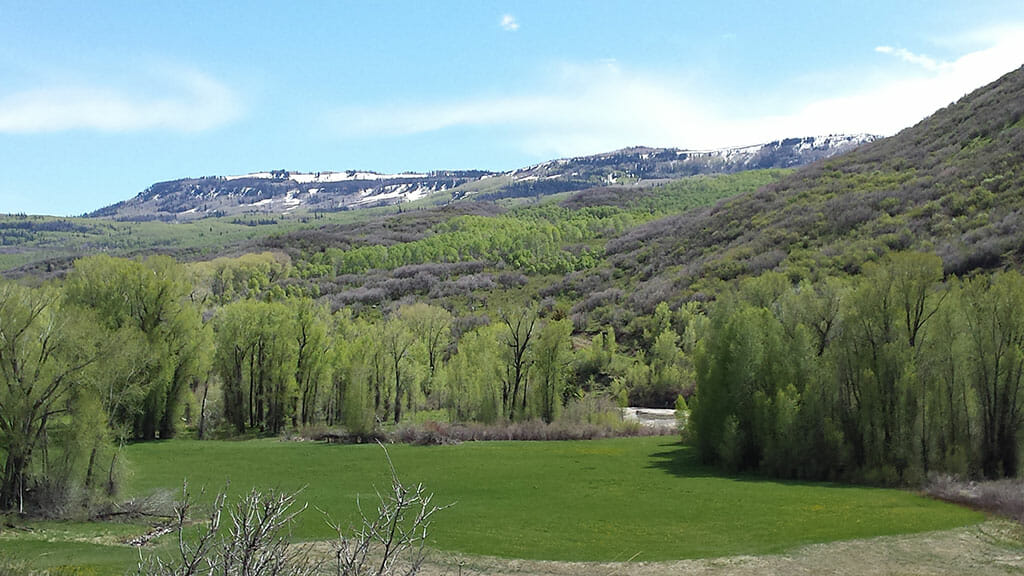
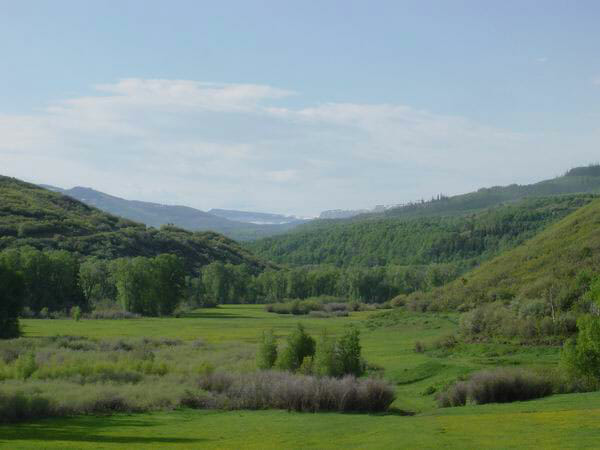
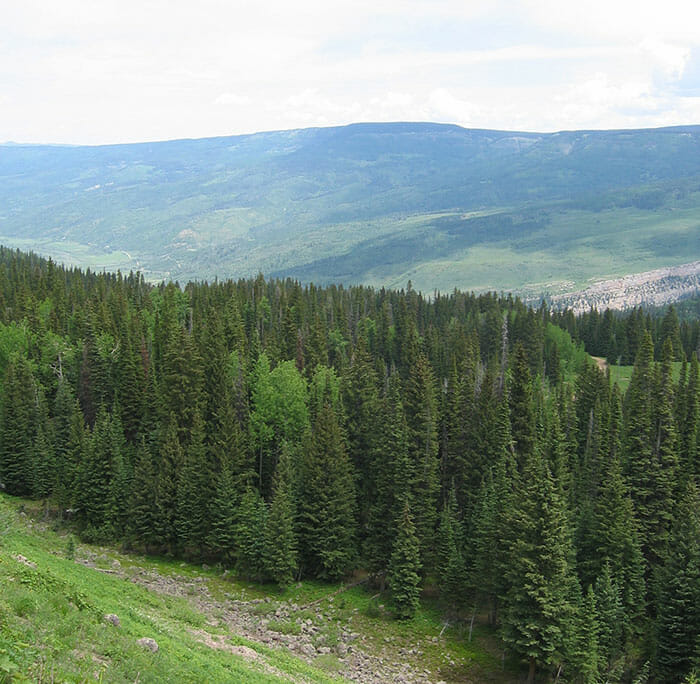
It is no wonder Carhart found the area so entrancing: behind Trappers Lake loom majestic volcanic cliffs, and beyond them the vast sub-alpine terrain reluctantly yields to alpine tundra. Approximately 110 lakes and ponds, many unnamed, dot the country above and below the numerous flat-topped cliffs. Roughly 100 miles of fishable streams can be found in today’s Flat Tops Wilderness.