We cannot emphasize just how important stretching out before a hike truly is. Stretching increases the heart rate, temperature, and blood circulation to your muscles. Moreover, stretching increases the body’s flexibility and decreases chance of injury.
Once again, it is important to warm up your muscles and body before trekking full steam ahead. Gradually increase your pace as your body begins to heat up.
Let the slowest person lead the group. Injuries and exhaustion can frequently be avoided by letting young children and folks who are out of shape head down the trail first.
This can include assigning tasks to various members who will participate on the trip. Lightning storms occur nearly every day in the high country. The golden hiking rule is to start early enough you summit before noon (before the storms build).
Once you figure out who enjoys making decisions and leading various aspects of the hike, make efforts to divide decision-making responsibilities evenly amongst those people. However, it is important to stick to the trip itinerary unless an emergency dictates otherwise.
Don’t stray from the trail unless you possess excellent navigation skills and the area will not be negatively impacted by off-trail travel.
Staying on the trail and taking breaks in hardened areas is important for protecting the fragile alpine vegetation. The wilderness can literally be “loved to death.” The careless hiker can cause damage that may never heal. Some alpine flowers have a 60 day growing season. It they are trampled they may never have enough time to recover and could perish over the winter.
This principle holds especially true during the winter and in hazardous terrain. Never leave a member behind.
Always bring duct tape with you wherever you go. Duct tape can mend just about any piece of gear that you might happen to break while out on the trail. Don’t forget to bring a first aid kit! Finally, know what to do in case you and your group runs into an emergency situation. It is best to discuss your “emergency plan” before beginning a hike.
Avoid wearing cotton because it loses its insulation properties when it get wet. It is best to wear polypropylene next to the skin because the material wicks moisture away from the skin and retains heat when wet.
Wear sunglasses, a hat, and sunscreen anytime you go hiking.
Don’t overdue it!
Drink sufficient amounts of water. Make sure you carry enough water to make it between destinations without running out of a safe supply. Also, be sure to treat your water in order to avoid getting sick on the trail.
Energy and candy bars are some of the best foods to bring on the trail because they are packed with carbohydrates, which will give you the boost you’ll need on the trail.
Take some time to read over the rules and regs of the area that you’ll be traveling through. Some areas might be off-limits to pets, camping, or open-pit fires.
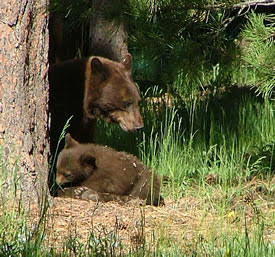
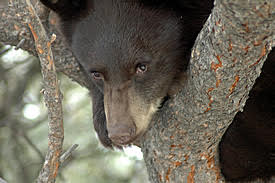
When you head out into Colorado’s great outdoors, you’re heading into country that’s long been home to black bears. With so many people spending time in bear country, human-bear conflicts are on the rise. So before you go, learn more about how to enjoy the outdoors without creating problems for yourself or these intelligent and resourceful animals.
When people let bears get into food and garbage, the lure of an easy meal can overcome a bear’s natural wariness of people. Once bears learn to follow their super-sensitive noses camp sites and picnic grounds, they can damage property and even break into cars and campers. Black bears are not naturally aggressive, but they are strong, powerful animals. A bear intent on getting a meal can easily injure someone who gets in its way. Every year bears that have become too comfortable around people have to be destroyed.
If a bear comes into camp, try to chase it away. Yell, toss small stones in the direction of (not directly at) the bear, bang pots and pans, or blow your car horn, air horn, or whistle. Make sure the bear has an escape route.
When you are backpacking or camping in an undeveloped area, set up a bear-safe camp to protect your food and avoid attracting bears. If there are signs a bear has visited the area recently, leave and choose another camp site.
Bear spray is a super-concentrated, highly irritating pepper spray proven to be more effective than firearms at deterring bears, but it’s no substitute for taking all the proper precautions to prevent problems in bear country.
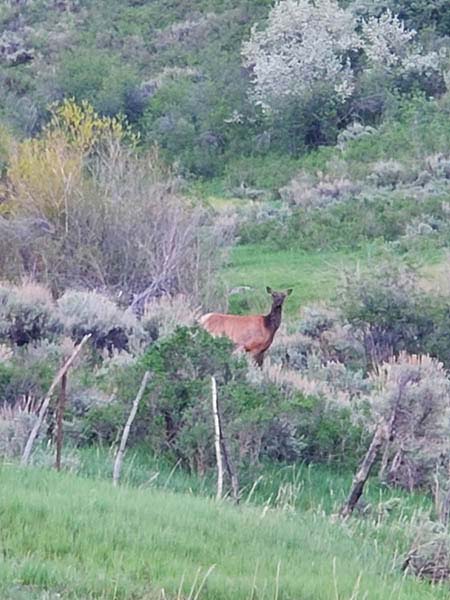
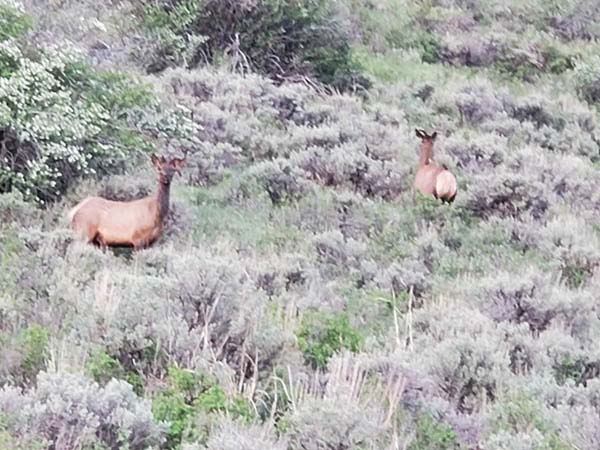
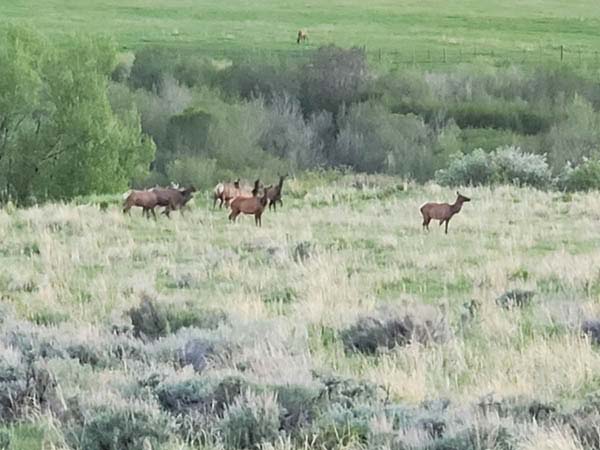
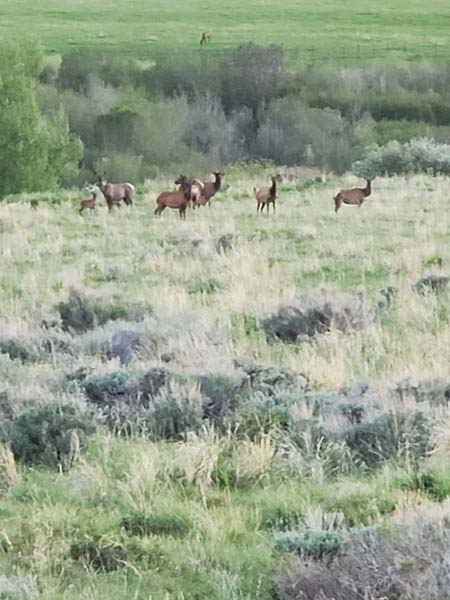
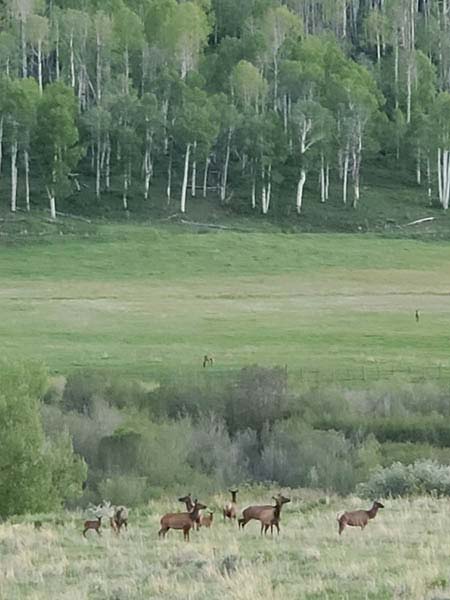
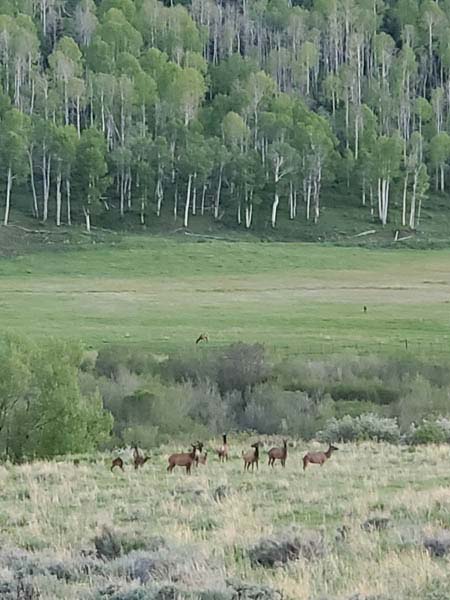
The Flat Tops of NW Colorado.